- Gospel: Matt 13:24–43
Many Gospel passages challenge the way we see the world. Often, the difficulty lies in the demands of Jesus. He calls us to perfection, and we know how far short we fall. At other times, however, the challenge comes from the Gospel’s perceived harshness. It can appear to divide the world neatly into good and bad, leaving little room for ambiguity or change.
The parable of the wheat and the weeds can sound this way. The Lord seems to declare that some plants are wheat and others are weeds, with nothing anyone can do about it. When this text is preached, there is often a tendency to rescue it by making those categories more fluid.
I have heard two common ways of doing this.
The first begins with the similarity between wheat and weeds during the early stages of growth. Darnel (Lolium temulentum), in particular, can closely resemble wheat (Triticum aestivum) before the plants mature. The images below illustrate that resemblance.
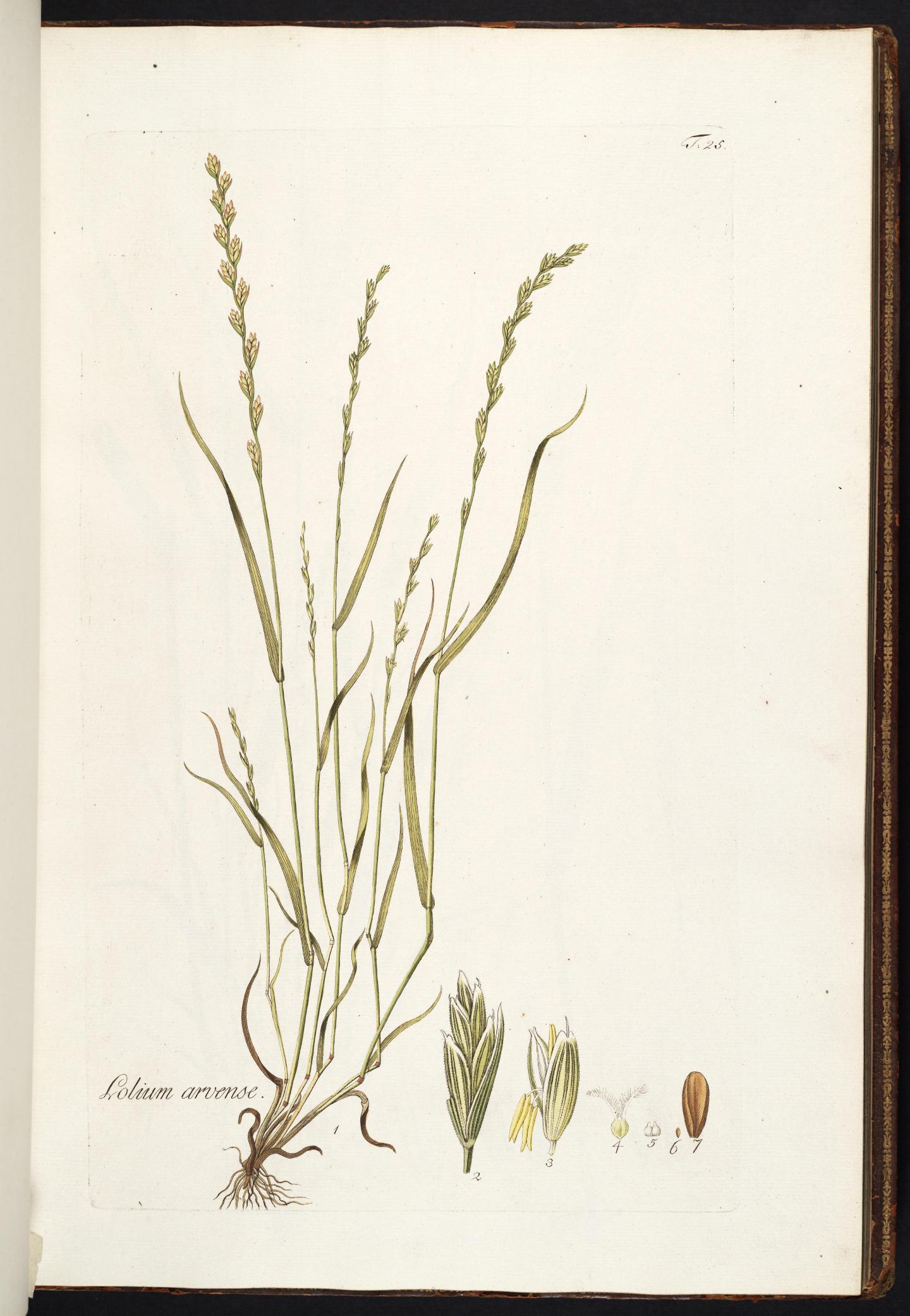

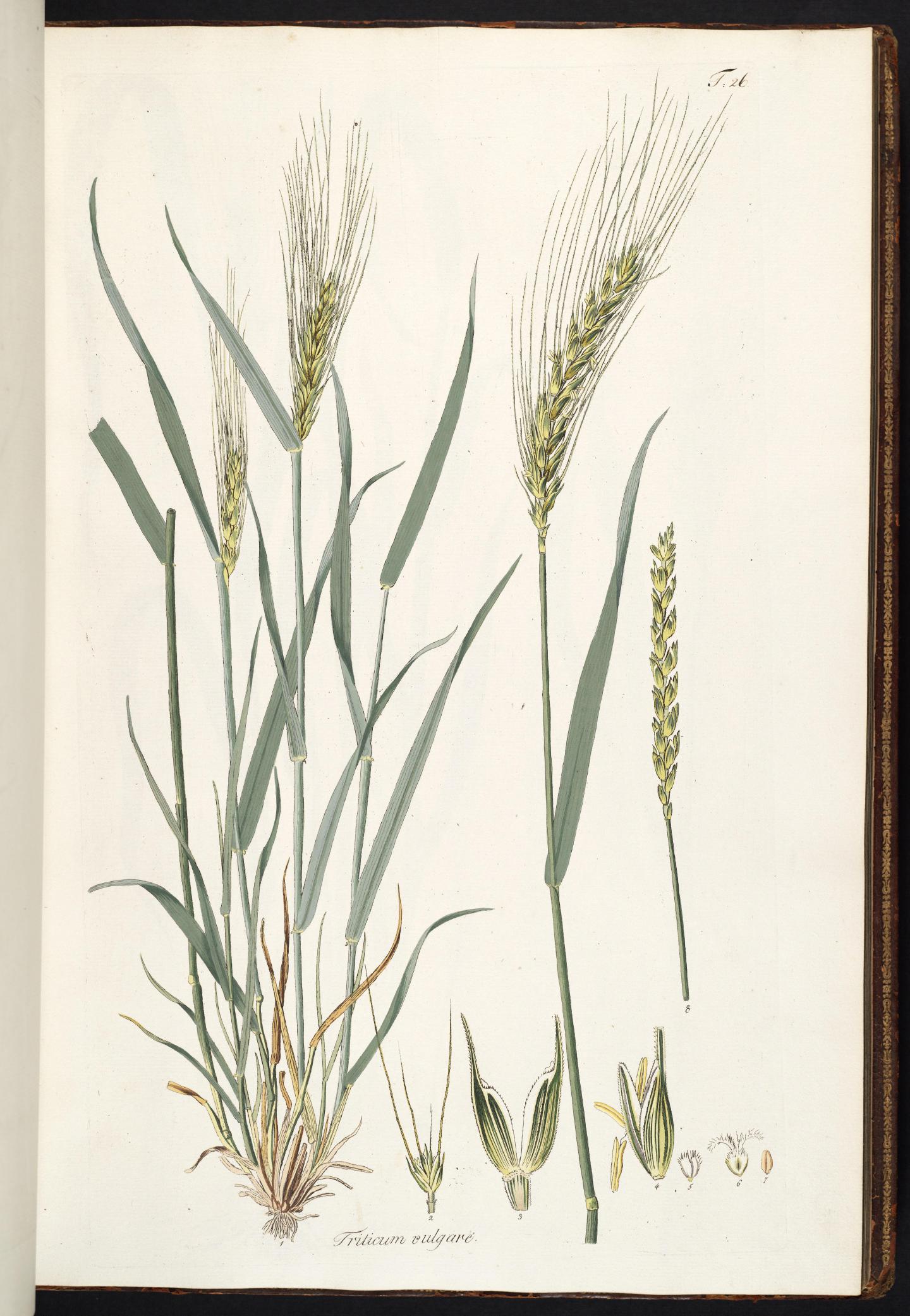

This observation leads to a straightforward interpretation: because we cannot always tell whether we are looking at wheat or a weed, we should withhold judgment. Appearances may even prove misleading. What looks like wheat may eventually reveal itself as a weed, or vice versa. Our choices matter, and no human being can judge the final state of another person before that life has reached its fullness. This interpretation softens the apparent binary division and makes room for conversion and repentance.
A second interpretation understands the field as the human heart rather than the world. Within every heart grows a tangle of wheat and weeds. We are called to cultivate that ground carefully, watching what takes root within us and removing what threatens the good God is bringing to maturity. This reading also makes room for repentance, and it corresponds closely to our experience. We recognize both good and evil within ourselves. The Christian life involves allowing grace to strengthen the good while we uproot the habits, desires, and choices that draw us away from God.
Both interpretations are, I believe, good and true. They ground the parable in human experience and connect it with the Lord’s teaching elsewhere in the Gospel. They also give us hope. Struggling with sin at one moment in life does not make someone a weed already destined for the fire. Conversion remains possible, and grace can accomplish more within us than we can yet see.
These interpretations operate on the level that the Fathers of the Church might call the tropological or moral sense. Catechism of the Catholic Church, 115–117 They concern the way we are called to live. They summon us to conversion so that we may become, and remain, fruitful wheat.
There is another level of the parable, however, that can make us uneasy: the historical or literal sense. This sense attends to the author’s intention and to what Jesus meant within the setting in which he spoke. Here the parable retains its stark division. Jesus really does teach that the world can and finally will be divided between wheat and weeds. More unsettling still, he knows which is which.
That is the key: he knows.
Our discomfort often comes from imagining this as an arbitrary decision imposed by God in advance. Yet God’s knowledge does not force our choices. Catechism of the Catholic Church, 600 We truly choose, and God knows fully what we will choose. The parable assumes an omniscient narrator—and omniscient in the fullest possible sense. The one telling the story is the Lord of history.
Jesus speaks from the perspective of the eschaton, the end of history. From that vantage point, the wheat and the weeds are fixed because every choice has been made and every life has reached its completion. When the master says, “Let both grow together until the harvest,” Matt 13:30 he speaks of a harvest whose outcome is already visible to him.
In its historical sense, the parable does not focus primarily on the process of conversion or the complexity of human choice. It shows us where history is going. The Kingdom of God is moving toward its fulfillment: the separation of righteousness from evil and the inauguration of Christ’s perfect and everlasting reign.
This morning, in my homily for the Sixteenth Sunday in Ordinary Time, I approached the parable through its historical sense with its strict binaries because I cannot remember the last time I heard the parable treated in that way. Fear and discomfort can tempt us to pass over certain senses of Scripture, but discomfort is not a reason to silence the text. There is nothing in God’s word that we need to fear. In Scripture, God speaks to lead us toward salvation.
Every sense of Scripture has something important to give us. The moral sense calls us to conversion while there is still time to grow. The historical sense reminds us that time is moving toward a real conclusion. God knows the harvest, and Christ will bring his Kingdom to completion. Our task is to receive his word honestly, allow his grace to change us, and become the wheat he gathers into his everlasting Kingdom.